When the market is this hot, it’s easy to feel like the best trader on the planet.
Early in my trading, I booked what was at that time the biggest win of my career. It also turned out to be the most expensive win of my life.
At the time I was trading in one of the hottest markets of my career. I was winning trade after trade but I had no actual plan. I jumped in late, after the move was already underway, and often the thing ripped anyway.
So I did it again the next day. Bigger size, looser entry, still no plan.
And it paid me again. Then again after that. The account kept climbing, and I started thinking the slow grind was behind me for good.
Every morning I’d size up, jump in, and the number on the screen would be green by lunch. I quit writing anything down. I didn’t think I needed to.
Nothing felt wrong the whole time. I was winning, so I never looked closer.
Then it stopped. The trades that printed green all month quit working. Same setups, same size, suddenly all losers.

And it came undone fast. Red day after red day, handing back what had taken weeks to build, and I still couldn’t see why.
So how does a winning streak set you up to lose?
The Problem With Hot Markets
Right now small-cap runners are showing up almost every day. You can jump into one late, no plan, no idea why you’re in it, and still walk away green.
Last Thursday we saw two perfect examples of the kinds of trades I was lucking into back in my early hot streak.
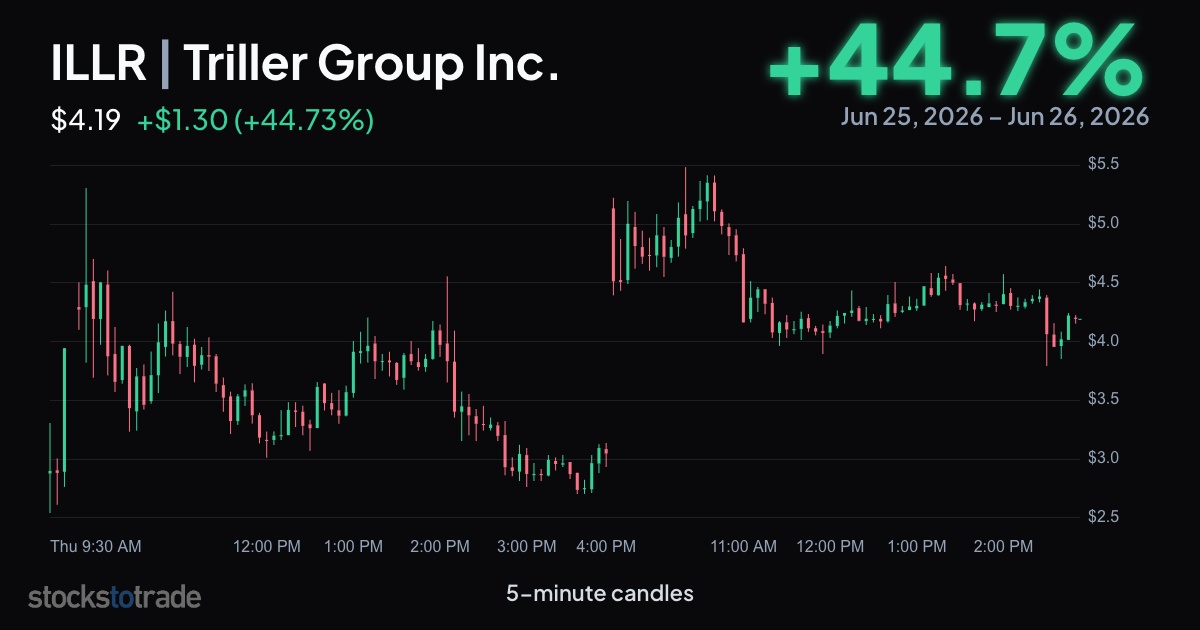
Triller Group Inc (NASDAQ: ILLR) spiked past $5, up about 45% across two days.
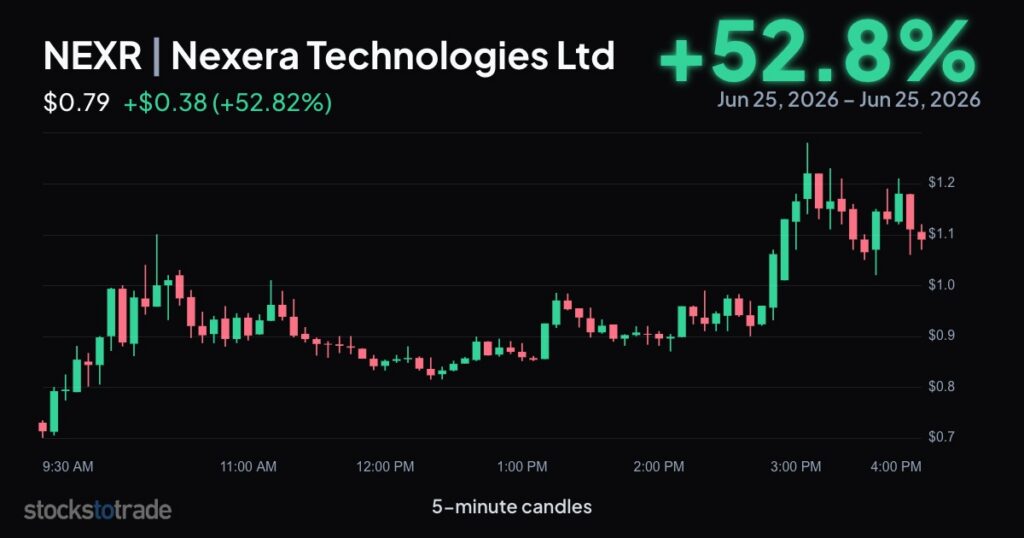
Nexera Technologies Ltd (NASDAQ: NEXR) ran from under a buck to over a dollar, better than 50% in a session.
So when every name you touch is green, you often can’t tell a good trade from a lucky one.
Imagine nailing both those NEXR and ILLR trades on the same day. Wins like that can make you feel like you’ve got it figured out. So you keep doing it, a little sloppier each time.
But the runners cool off eventually.
When they do, the sloppy trades stop working. There’s no big move left to drag your bad entry green.
Grade Your Trades
If you carry those bad habits into a slow market you will get crushed.
I gave back six weeks of gains that way. The run that made me look like a genius dried up, and all those mistakes I’d been getting away with started costing me at once.
The trades hadn’t gotten worse. They’d been bad the whole time. I just couldn’t see it while the money was coming in.
So I grade my trades differently now. I ask if I’d take it again with a clear head and a plan I could run back.
If I can’t explain why a win worked, that was luck, not skill. And you can’t repeat luck.
So I mark it as a mistake even when it made me money.
Next time you’re running hot, don’t let a screen full of green talk you into thinking you’ve got it figured out. Ask if you actually earned it.
Easy money doesn’t last.
Build Your Nestegg
A few years back I opened a retirement account with about $10,000 in it. No margin. No shorting. Just the same handful of setups I grade myself on every day, taken over and over.
That account is now past $4 million. And because it’s a Roth, none of it gets taxed.
It didn’t come from one lucky win. It came from running a plan I could repeat: take the trade when the setup is there, pass when it isn’t, and let a small edge stack up over hundreds of trades. The boring, repeatable kind of trading this whole email is about.
I put the whole playbook in one place. The patterns, the rules, and the actual trades that grew it.
See how I turned $10,000 into 7 figures*
Stay sharp,
Jack Kellogg
*Past performance does not indicate future results