I made a rookie mistake last week.
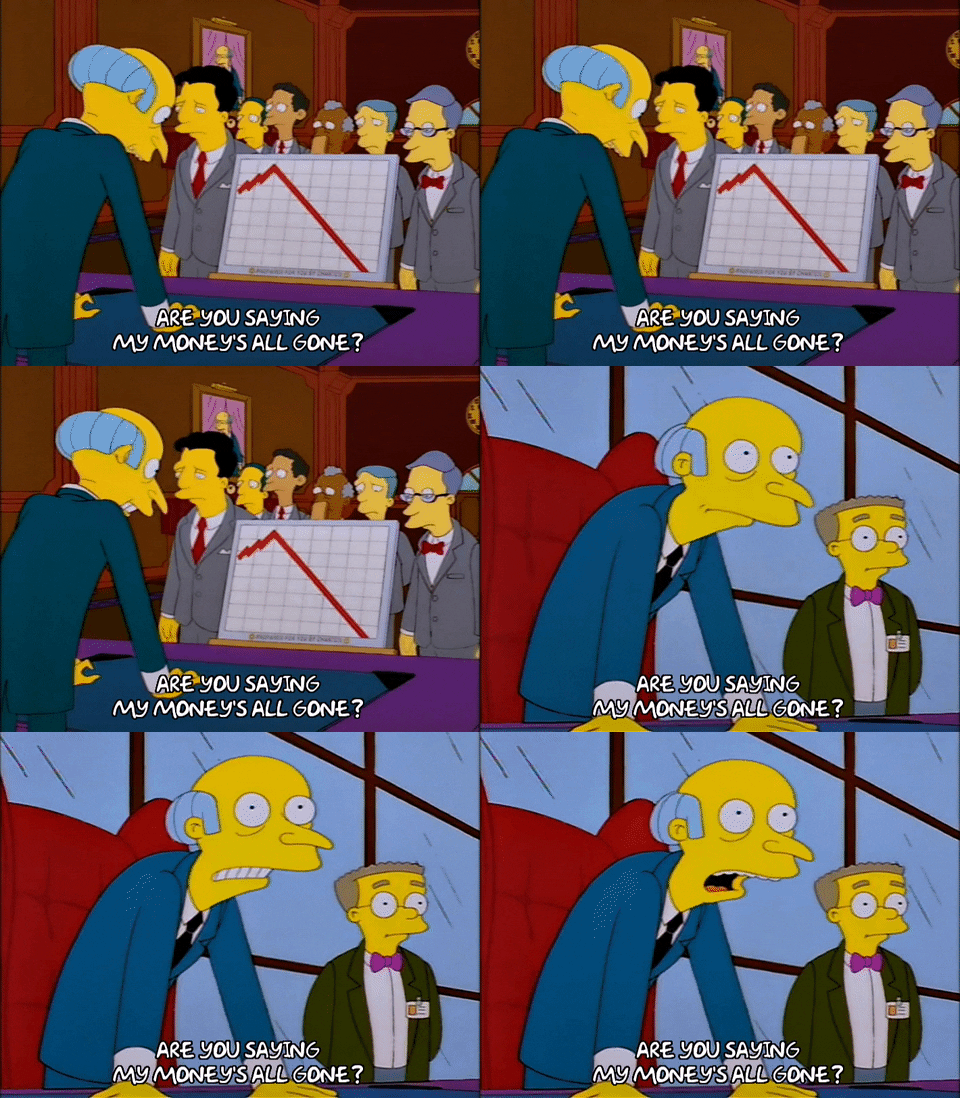
I bought a bounce in a falling market and treated it like the start of a new run.
Spot breakouts EARLY with this tool.
The next morning, my position gapped down, and a big chunk of what I was up got torched.
Bounces in a falling market can be huge. In the middle of the 2022 bear market, Invesco QQQ Trust (NASDAQ: QQQ) bounced about 23% in two months.
I made most of my money that year buying those bounces.
The trick is getting out while the bounce is still going.
I’m not trying to call the bottom. A falling market takes a while to come back.
This is a midterm year, like 2022 was. The Nasdaq fell about 33% that year.
Inside that drop, QQQ had three big bounces:
- March 14 to March 29: about 17%
- June 16 to August 15: about 23%
- November 3 to December 1: about 13%
The last one started five days before the midterm vote.
QQQ gave back every one of those bounces, and each time it fell below where the bounce started.
This year’s midterms are Tuesday. Most forecasts have Democrats taking at least the House, and I expect the market to stay jumpy into the vote.
I’ll show you how I’m trading the next bounce, and the spot where I’m getting out.
When QQQ starts to bounce after a drop like this one, I buy it.
Obviously, you don’t want to get smoked with a false breakout. So I set a tight stop to manage that risk. If QQQ doesn’t start moving up, I sell right away.
When I trade a bounce, my stop goes just under the low of the drop. If QQQ breaks that low, the bounce has failed and I’m out.
I use a hard stop, so the order is already sitting with my broker. It sells without me having to make a decision in the moment.
A stop can’t protect me from a gap, though. If QQQ opens below my stop, I lose more than I planned.
So in a market like this, I keep my size small on anything I’m holding overnight.
I’m aiming for about a 3% gain on QQQ.
The bounce I’m looking for only lasts a few days, so the time to sell is while the price is still climbing.
The 10-Day Moving Average
The ten-day is the average of QQQ’s last ten closes. When the market’s been falling, the ten-day sits above the price and keeps sloping down.
Other falling averages sit above the ten-day, but even a bounce that only reaches the ten-day is a trade for me.
The falling ten-day is where I expect the bounce to stop. By the time QQQ gets there, I want to be all the way out.
QQQ’s last bounce peaked on October 21, just under its falling ten-day.
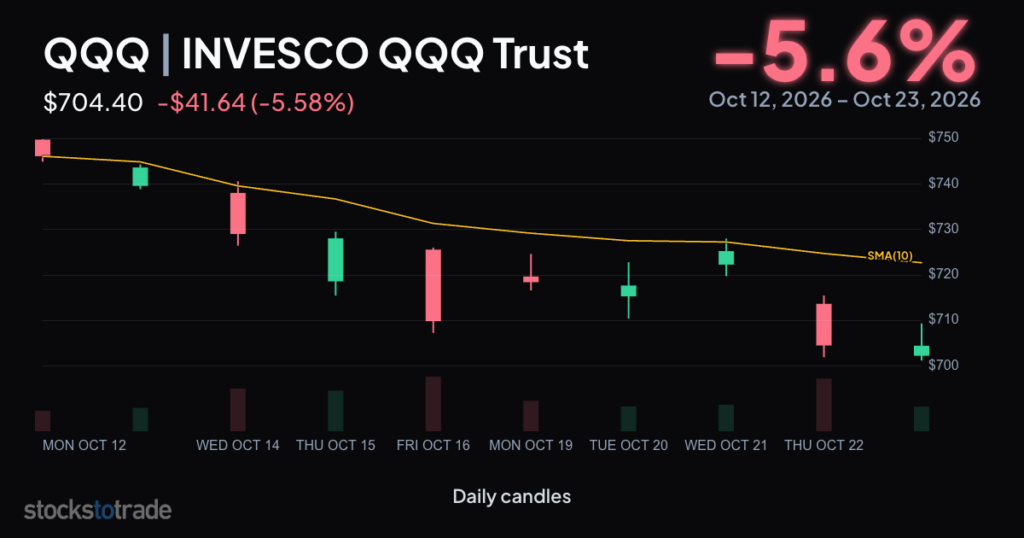
The next morning QQQ gapped down. By the close it was lower than where the bounce started.
I bought Direxion Daily Semiconductor Bull 3X ETF (NYSE Arca: SOXL) on that bounce. It’s built to move three times as much as the big chip stocks each day, in either direction.
When SOXL got to about $105, I thought it would keep climbing. So I held on.
SOXL gapped down 12% lower the next morning.
I sold the rest of my position around $90. I’d sold some on the way up, so the trade still finished with a small gain.*
Then I traded the next bounce the way I should have traded the first one.
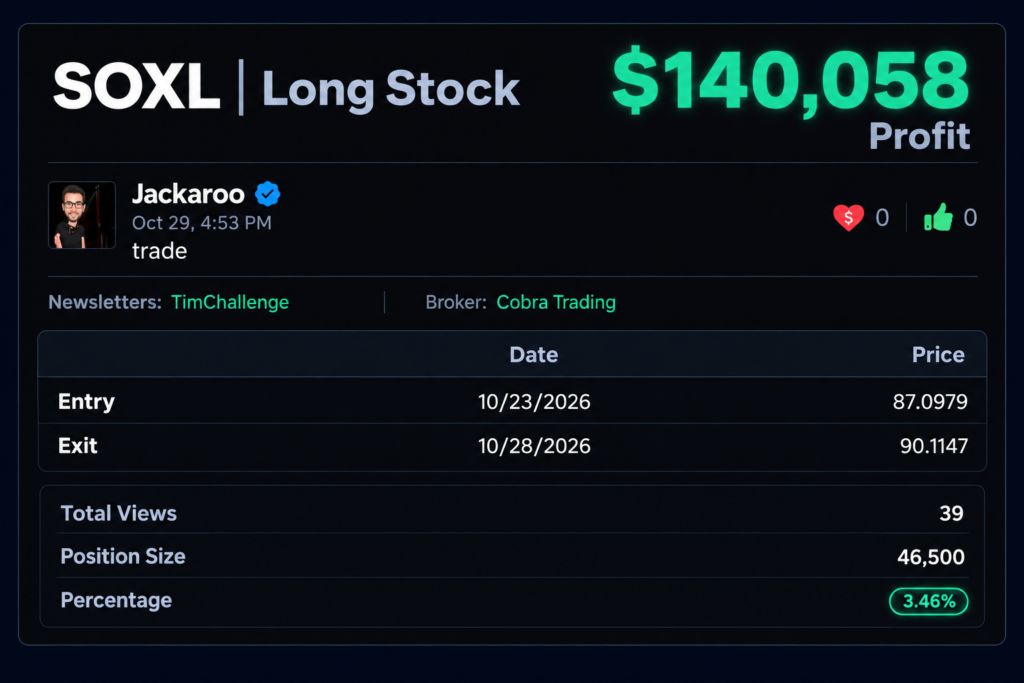
I bought SOXL again on October 23, after the gap. I sold it for a 3.46% gain while the bounce was still going.*
By Friday, SOXL had traded well below where I bought it.
This week QQQ closed above its falling ten-day on Tuesday and Wednesday.
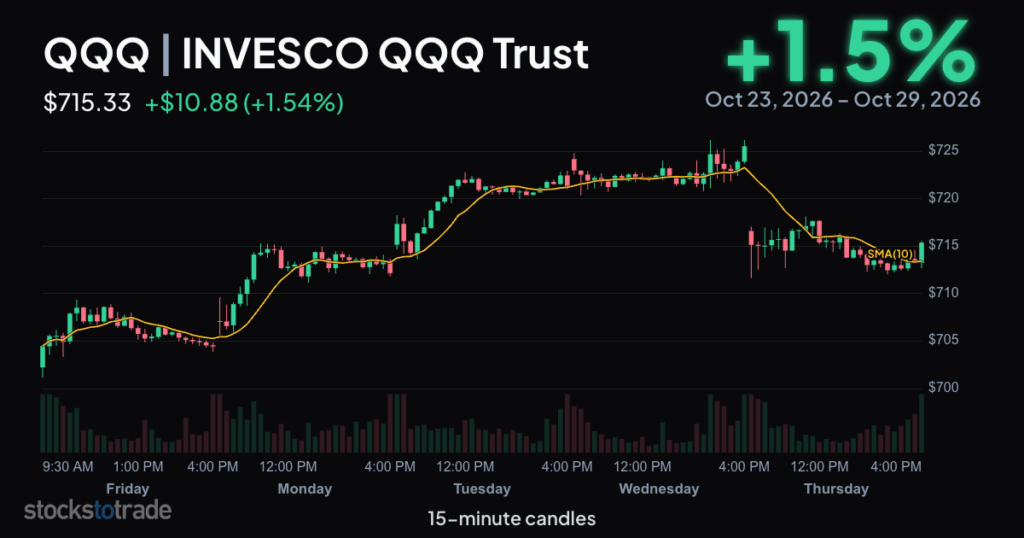
On Friday QQQ opened under $700, below where the whole bounce started on Monday.
When the next bounce comes, I’m selling it on the way up. By the time QQQ gets back to its falling ten-day, I’ll be all the way out.
Use this tool to find the best setups every week.
Stay sharp,
Jack Kellogg
*Past performance does not indicate future results